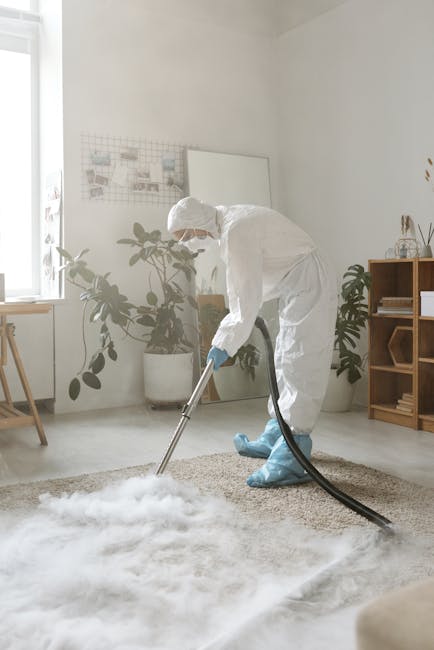
Carpet cleaning Roehampton Alton Estate specialists: a practical guide for cleaner, healthier carpets
If you are looking into Carpet cleaning Roehampton Alton Estate specialists, you are probably dealing with one of those everyday problems that gets under your skin a bit. A muddy entrance hall after a wet London morning. A drink spill that somehow spread wider than expected. Or carpet fibres that just look tired, even after a good vacuum. Truth be told, carpets take more punishment than we like to admit.
This guide explains what specialist carpet cleaning really involves, why it matters in Roehampton's Alton Estate homes, how the process works, and what to look for before booking. You will also find practical advice on maintenance, common mistakes, and the sort of results you can realistically expect. Nothing fluffy. Just useful, local-minded guidance that helps you make a sensible decision.
For readers who want to compare related services too, the same company also offers carpet cleaning, deep cleaning, and end of tenancy cleaning, which can matter if you are moving out, moving in, or simply resetting a flat after a busy few months.
Table of Contents
- Why Carpet cleaning Roehampton Alton Estate specialists Matters
- How Carpet cleaning Roehampton Alton Estate specialists Works
- Key Benefits and Practical Advantages
- Who This Is For and When It Makes Sense
- Step-by-Step Guidance
- Expert Tips for Better Results
- Common Mistakes to Avoid
- Tools, Resources and Recommendations
- Law, Compliance, Standards, or Best Practice
- Options, Methods, or Comparison Table
- Case Study or Real-World Example
- Practical Checklist
- Conclusion
- Frequently Asked Questions
Why Carpet cleaning Roehampton Alton Estate specialists Matters
Carpets do more than soften a room. They catch dust, grit, allergens, tracked-in dirt, pet hair, food residue, and the sort of tiny particles that vacuuming alone often leaves behind. On the Alton Estate, where homes see regular foot traffic and a mix of family life, commuting, and day-to-day wear, that build-up can happen quietly. Then one day the carpet looks flat, smells a bit stale, and no amount of quick surface cleaning seems to help.
That is where specialist carpet cleaning earns its keep. A good technician understands pile types, fibre sensitivity, drying times, stain behaviour, and the difference between a quick refresh and a proper restorative clean. It sounds obvious, but not every carpet should be treated the same way. Wool, synthetic blends, loop pile, cut pile, older fitted carpets, and rugs all behave differently under water, heat, agitation, and cleaning chemistry.
There is also the bigger picture. Clean carpets contribute to a cleaner-feeling home overall. You will notice it when you walk in: fresher air, brighter colour, and a room that just feels looked after. Small thing? Maybe. But it changes how a home feels, especially in compact London living spaces where each room has to work hard.
If you are comparing providers, it helps to look for a proper cleaning company rather than a vague one-person listing with no detail. Experience, insurance, process, and aftercare matter a lot more than a flashy promise or a very cheap headline price.
How Carpet cleaning Roehampton Alton Estate specialists Works
Most professional carpet cleaning follows a sensible sequence, even if the equipment and exact method vary. The first step is usually a survey of the carpet's condition. That means checking fibre type, spots, wear paths, pile direction, and any risk areas such as old bleach marks, heavy staining, or water-sensitive backing. It is not glamorous work. It is careful work.
Then comes vacuuming or dry soil removal. This matters more than many people realise. Dry grit acts like sandpaper. If you skip it, the wet cleaning stage can drag loosened dirt deeper into the pile. Next, a suitable pre-treatment is chosen. That may be a mild detergent, a stain-specific agent, or a solution designed to break down body oils and general household residue.
After that, the carpet is agitated lightly or treated with a machine-assisted process, depending on the method being used. In many homes, hot water extraction is the main approach because it can clean deeply while also rinsing residues away. In some cases, low-moisture methods are better, especially where drying time is tight or the carpet is more delicate. There is no one magic answer. A decent specialist will say so plainly.
Finally, the carpet is rinsed if required, then moisture is removed as much as possible with extraction passes and airflow. Drying usually depends on room temperature, ventilation, carpet thickness, and how much cleaning solution was used. A well-cleaned carpet should not feel sticky afterwards. If it does, something has gone a bit off.
For households needing broader help, carpet work can sit alongside domestic cleaning or a one-time refresh via one-off cleaning. That can be especially handy after parties, school holidays, or a long stretch where life simply got away from you.
Key Benefits and Practical Advantages
Specialist carpet cleaning delivers more than a cosmetic lift. Yes, the visual improvement is often immediate, and yes, that is satisfying. But the practical value runs deeper.
- Better appearance: Traffic lanes, dull patches, and spot marks are reduced, sometimes dramatically.
- Improved freshness: Odours from food, pets, and everyday life are less noticeable once embedded residue is removed.
- Longer carpet life: Removing abrasive grit and ingrained dirt helps reduce fibre wear.
- Healthier-feeling indoor spaces: Regular professional cleaning can reduce the dust and debris sitting in the pile.
- Stain management: Certain stains become much harder to shift if left for months, so prompt treatment matters.
- Better moving-day presentation: A freshly cleaned carpet makes a home feel properly finished, which is useful for landlords, tenants, and owners alike.
There is also a psychological benefit that is surprisingly strong. A clean carpet makes a room feel ordered. If you have ever stood in a living room on a winter afternoon with the rain tapping at the window and thought, "Right, this place needs sorting," you will know exactly what that means. The change is not just visual; it is emotional. A bit calmer. A bit lighter.
For rugs and soft furnishings, the same logic applies. If the carpet is being cleaned, it may also make sense to look at rug cleaning or upholstery cleaning. Matching the treatment across a room often gives the best overall finish.
Who This Is For and When It Makes Sense
Not every carpet needs a deep professional clean every few weeks. To be fair, that would be overkill for most homes. But there are clear times when bringing in specialists makes excellent sense.
This service is especially useful for:
- families with children or pets
- tenants preparing to move out
- landlords turning over a property between lets
- homeowners after illness, renovation, or a busy season
- older residents who want less dust and easier upkeep
- office spaces needing a smarter, cleaner impression
It is also worth booking a specialist if you are seeing recurring issues rather than one-off mess. For example: dark footpaths along hallways, a lingering smell in one room, or patches that never seem to come clean no matter how much you scrub. That usually suggests embedded soiling, residue build-up, or an unsuitable DIY approach from earlier attempts.
In rental situations, carpet condition often becomes a practical and financial concern. A clean carpet can help a property feel cared for, which is why many people line it up with house cleaning or office cleaning if the space is being presented for inspection, reletting, or handover.
One more thing. If your carpet is genuinely fragile, antique, or made from natural fibres, specialist advice matters even more. An experienced cleaner will tell you when a gentler method is the safer choice. That honesty is worth quite a lot.
Step-by-Step Guidance
If you want the best possible result, the process should feel organised from the start. Here is a sensible step-by-step approach.
- Assess the carpet first. Look for the type of fibre, visible stains, high-traffic areas, and any damage. Check whether the carpet is loose-laid, fitted, glued, or already lifting at the edges.
- Vacuum properly. A slow, thorough vacuuming pass removes dry debris before any liquid cleaning begins. This is a lot more important than a rushed five-minute tidy.
- Test in a small area. Especially if the carpet is old or sensitive, a good cleaner will test the treatment in a hidden spot first.
- Choose the right method. Hot water extraction, low-moisture cleaning, or targeted stain treatment may all be appropriate depending on the condition.
- Treat stains individually. Coffee, grease, mud, pet accidents, and ink need different handling. One solution does not fix everything. If only life were that kind.
- Rinse and extract thoroughly. Leaving behind detergent can attract soil later, so extraction quality matters.
- Speed up drying. Ventilation, open windows, and moving air all help. Avoid heavy traffic until the carpet is properly dry.
- Inspect the result. Check the finish in daylight if possible. That is when marks and shadows show up most honestly.
If you are booking a broader package, it may help to combine carpet work with end of tenancy cleaning or after builders cleaning. Dust from renovation work and residues from painting or plastering can settle into carpet fibres in a way that looks minor at first, then becomes annoyingly obvious later.
Expert Tips for Better Results
A few practical habits can make a big difference before and after a carpet clean. These are the little things professionals tend to notice immediately.
- Deal with spills quickly. The faster a stain is blotted, the less chance it has to set. Blot, don't rub.
- Use mats at entrances. Hallways and landings wear down faster than people expect, especially in rainy weather.
- Rotate furniture where possible. It helps prevent permanent dents and uneven wear paths.
- Ask about drying time. A carpet that dries too slowly can stay damp and awkward. Good airflow helps a lot.
- Avoid over-wetting. More water is not automatically better. In fact, it can make drying harder and sometimes lift soil from backing layers.
- Check the cleaner's insurance and process. Peace of mind matters, particularly in homes with fitted carpets or valuable furnishings. The company's insurance and safety approach should be clear.
Here is a small but useful tip from the real world: if a cleaner gives you a very fast answer to a very specific stain problem, pause. The best professionals usually ask a few questions first. What caused the stain? How long has it been there? Has anything been applied already? That carefulness is a good sign, not a delay.
And yes, if you are wondering whether weekend cleaning is worth it for a busy household, often it is. One good session can reset the whole place. You come back to a room that smells fresher and looks brighter, and suddenly everything feels a touch more manageable.
Common Mistakes to Avoid
Carpet cleaning goes wrong most often because people are trying to fix a problem quickly and end up making it bigger. It happens. No judgement.
- Rubbing stains aggressively: This pushes the mark deeper and can damage fibres.
- Using random household chemicals: Bleach, bleach-like products, and strong cleaners can change carpet colour or leave patches.
- Skipping vacuuming: Wet cleaning over dry grit is inefficient and can dull the result.
- Cleaning too much at once: Flooding a carpet or overloading one area with product can lengthen drying time and create a sticky feel.
- Ignoring fibre type: Wool and synthetic carpets do not always tolerate the same treatment.
- Walking on damp carpet too soon: That often leads to flattened pile and re-soiling marks.
Another common mistake is choosing only by price. Cheap can be fine if the service is efficient and honest, but rock-bottom pricing sometimes means rushed work or minimal aftercare. If you are comparing quotes, use a page like pricing and quotes to understand what is included rather than just looking at the headline figure. What matters is the full job, not a bare number.
Also, be wary of promises that sound too neat. "Stains removed guaranteed" is not always realistic. Some stains are permanent, some fibre damage is already done, and some discolouration has become part of the carpet itself. A trustworthy cleaner will say that carefully, without drama.
Tools, Resources and Recommendations
Good carpet cleaning depends on more than a machine. Equipment matters, certainly. But judgement matters just as much.
Typical tools and materials include:
- high-suction vacuum cleaners
- pre-spray or pre-treatment solutions
- spotting agents for targeted stains
- hot water extraction equipment or low-moisture systems
- microfibre cloths and absorbent pads
- air movers or fans for faster drying
- protective pads for furniture legs
For a wider home care plan, some households bundle carpet work with sofa cleaning or home cleaners so the whole room feels refreshed in one visit. That can be particularly practical if dust has settled on fabrics and soft surfaces at the same time.
If you want to keep carpets looking good between cleans, the simplest recommendations are the most reliable: vacuum regularly, tackle spills quickly, protect walkways, and avoid dragging grit through the home. Straightforward stuff, yes, but it works. Better still if you keep a small stain kit nearby rather than hunting around the kitchen when trouble strikes.
Law, Compliance, Standards, or Best Practice
For carpet cleaning, the main things to think about are safe working practices, honest communication, and suitable treatment for the material involved. In the UK, a reputable cleaning business should be able to explain its safety procedures, product handling, insurance, and complaint process in plain English. That does not mean quoting legal jargon at you; it means behaving responsibly.
Where health and safety is concerned, cleaners should think about slip risks from damp floors, safe use of chemicals, ventilation, and protecting furniture and surfaces. If they are working in an occupied home, they should also be mindful of children, pets, and any sensitivities to fragrances or cleaning agents. That is basic professionalism, really.
Best practice also includes clear expectations. A good provider will explain what can and cannot be removed, how long drying may take, and whether any protection or follow-up is sensible. If a company is transparent about its health and safety policy and terms and conditions, that usually tells you a lot about how the job will be handled.
Data handling matters too when quotes, addresses, and payment details are involved. If you are sharing personal information, it is reasonable to expect clear privacy and payment practices. That is where pages such as privacy policy and payment and security become useful for trust, even if they are not the glamorous part of the conversation.
Options, Methods, or Comparison Table
Different carpet cleaning methods suit different situations. The right choice depends on fibre type, drying time, and how heavy the soiling is. Here is a simple comparison.
| Method | Best for | Strengths | Watch-outs |
|---|---|---|---|
| Hot water extraction | Most fitted carpets with general soiling | Deep clean, strong soil removal, good rinse | Longer drying time if overused |
| Low-moisture cleaning | Quick turnaround or more delicate situations | Faster drying, less water use | May need more frequent maintenance |
| Spot treatment | Localised stains or isolated marks | Targeted, efficient, less disruption | Not suitable as a full-room clean |
| Combined service | Homes needing a broader refresh | Can cover carpets, fabrics, and rooms in one visit | May take more planning |
If your carpets are only lightly marked, low-moisture or spot-led treatment may be enough. If the pile is visibly dulled and the hallway has become a dark lane, extraction usually makes more sense. In a few cases, a blend of methods gives the cleanest and safest result. Slightly boring answer maybe, but it is the honest one.
Case Study or Real-World Example
A common Roehampton scenario goes like this. A family in a flat on the Alton Estate has a pale carpet in the living room and a narrow hallway that gets daily foot traffic. Over time, the hallway turns noticeably darker. Not filthy exactly, just tired and greyish at the edges. There is also a faint odour near the sofa because snacks, pets, and life have all happened in the same room.
The first step is a careful inspection. The cleaner checks the fibres, identifies the traffic areas, and spots a couple of set-in marks near the doorway. The carpet is vacuumed thoroughly, pre-treated, then cleaned with a method suited to the material. Furniture is protected, and extra attention is given to the entrance point where outside grit has been tracked in. The room is ventilated afterwards so drying happens steadily rather than slowly and awkwardly.
The difference is not just that the carpet looks brighter. It also feels softer underfoot and no longer carries that slightly stale background smell that had become so normal the family stopped noticing it. That is the funny thing with carpets: once a room has been living with grime for a while, "normal" can be surprisingly grubby. Then you clean it and think, ah, yes, that is what it was supposed to look like.
In a case like this, pairing the clean with house cleaning or even window cleaning can sharpen the overall effect. When the light is clearer and the soft furnishings are fresher, the whole place feels reset.
Practical Checklist
Use this quick checklist before and after your carpet clean.
- Vacuum the area thoroughly before the appointment
- Move light furniture if agreed in advance
- Point out stains, odours, and worn patches early
- Ask which cleaning method is being used
- Check drying time and ventilation advice
- Keep children and pets off the carpet until it is dry
- Open windows where possible for airflow
- Blot any fresh spill instead of rubbing it
- Ask for aftercare advice for your carpet type
- Review the finished result in daylight if you can
Quick takeaway: the best carpet cleaning is careful, not flashy. Good preparation, the right method, and sensible drying will usually beat a rushed "deep clean" every single time.
Conclusion
Choosing Carpet cleaning Roehampton Alton Estate specialists is really about getting the right balance of expertise, local practicality, and sensible care for your home. The right cleaner should understand the carpet type, know how to handle stubborn marks without causing more damage, and leave you with a finish that feels clean rather than merely damp and hopeful.
Whether you are preparing to move, refreshing a family home, or just tired of looking at the same hallway wear marks every day, a specialist clean can make a proper difference. Not magical. Just solid, well-done work that gives the room its edge back.
If you want a broader service view, the company also covers carpet cleaner support, carpets cleaner services, and wider cleaners help for homes and small businesses. It is worth asking the right questions and choosing carefully. Your carpets will thank you quietly, which is about as British as it gets.
Get a free quote today and see how much you can save.
Frequently Asked Questions
How often should carpets in Roehampton homes be professionally cleaned?
It depends on foot traffic, pets, children, and how quickly your carpets pick up dirt. Many homes benefit from a professional clean once or twice a year, but busier households may need it more often.
What is the best carpet cleaning method for fitted carpets?
Hot water extraction is often a strong choice for fitted carpets with general soiling, but low-moisture methods can be better in some cases. The right answer depends on fibre type, drying time, and the carpet's condition.
Will carpet cleaning remove all stains?
Not always. Many stains lift well, but some are permanent or have already damaged the fibre. A trustworthy specialist will explain what is realistic before starting, which is what you want really.
How long does a carpet take to dry after cleaning?
Drying time varies with the cleaning method, room temperature, humidity, and ventilation. Lightly cleaned areas may dry quite quickly, while thicker carpets can take longer.
Can carpet cleaning help with pet smells?
Yes, if the odour is coming from embedded soil, residue, or a surface-level accident. Deeper pet contamination may need more targeted treatment, and sometimes more than one visit.
Is it safe to clean carpets in a family home with children?
Yes, provided the cleaner uses suitable products and follows sensible safety steps. Good ventilation, proper drying, and keeping children off damp carpet are all sensible precautions.
Should I vacuum before the cleaner arrives?
Yes, if you can. Removing dry dirt first improves results and helps the cleaning stage work more effectively. It is one of those small jobs that pays off.
What should I ask before booking a carpet cleaning service?
Ask about the cleaning method, drying time, stain treatment, insurance, pricing structure, and aftercare advice. That gives you a clearer picture than price alone.
Can carpet cleaning help at the end of a tenancy?
Absolutely. A fresh carpet can help a property look properly cared for at handover, especially when combined with broader end of tenancy or house cleaning.
Do I need to move furniture before carpet cleaning?
Sometimes, but not always. Smaller items are often moved, while heavier furniture may be cleaned around or handled with agreed precautions. Always confirm this in advance.
What makes a local carpet specialist better than a general cleaner?
A specialist is more likely to understand fibre types, stain behaviour, moisture control, and the best method for the specific carpet in front of them. That knowledge can make a noticeable difference to the finish.
Where can I find more details about the company behind the service?
You can review the company's background on about us and see practical policies such as recycling and sustainability, which can help you judge whether the service feels like a good fit for your home.