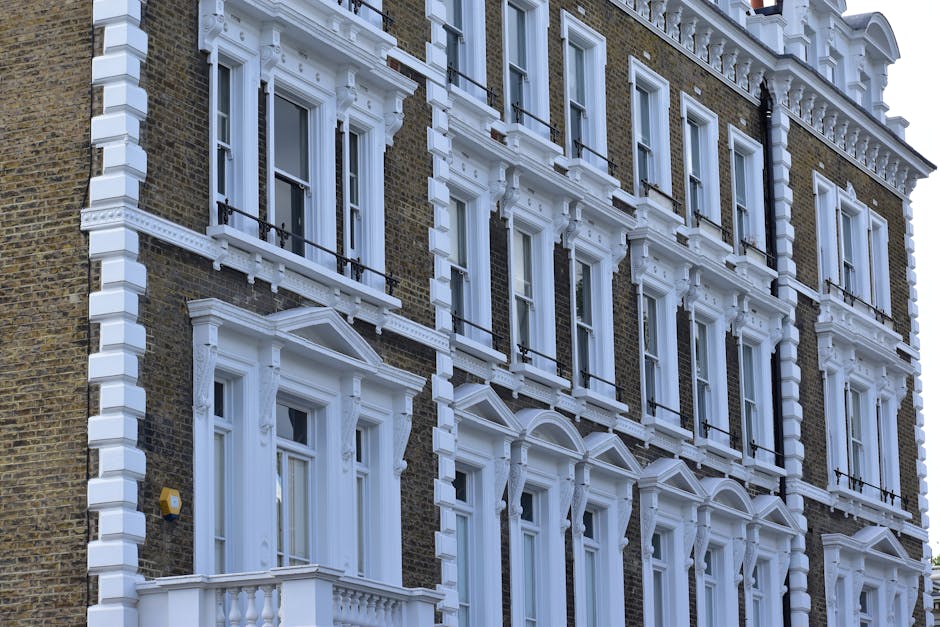
End of tenancy cleaning Roehampton Village flats SW15
Moving out of a flat is rarely as tidy as the letting agent's checklist makes it sound. One minute you're packing mugs into a box, the next you're staring at oven grease, limescale, carpet marks, and that one cupboard you never quite got round to sorting. End of tenancy cleaning Roehampton Village flats SW15 is the practical reset that helps a property look ready for inspection, handover, and the next tenant. Done properly, it can make the difference between a smooth move and a very annoying back-and-forth over standards.
This guide breaks the job down in plain English. You'll see what end of tenancy cleaning usually includes in Roehampton Village flats, how the process works, where people go wrong, and how to judge whether a professional clean is worth it. If you're trying to protect a deposit, get a flat ready for new occupants, or simply leave the place in good order, you're in the right place.
Contents
- Why End of tenancy cleaning Roehampton Village flats SW15 Matters
- How End of tenancy cleaning Roehampton Village flats SW15 Works
- Key Benefits and Practical Advantages
- Who This Is For and When It Makes Sense
- Step-by-Step Guidance
- Expert Tips for Better Results
- Common Mistakes to Avoid
- Tools, Resources and Recommendations
- Law, Compliance, Standards, or Best Practice
- Options, Methods, or Comparison Table
- Case Study or Real-World Example
- Practical Checklist
- Conclusion
- Frequently Asked Questions
Why End of tenancy cleaning Roehampton Village flats SW15 Matters
At the end of a tenancy, the property is usually assessed against the condition it was in at move-in, allowing for fair wear and tear. That's the key phrase. Fair wear and tear means normal ageing from everyday use; it does not mean leftover food in the oven, soap scum in the shower, or skirting boards that look like they've been through a small dust storm.
In Roehampton Village, flats often have the same practical cleaning pressure points you see across London: compact kitchens, shared hallways, fitted appliances, long-neglected extractor fans, and windows that seem to collect city grime at the worst possible time. If you're leaving a flat in SW15, the clean needs to be thorough and evidence-led, not just "looks okay to me". Let's face it, that sentence has started more deposit disputes than anyone likes to admit.
End of tenancy cleaning matters because it creates a clear standard. It helps landlords, letting agents, and tenants all understand what "clean" actually means. More importantly, it reduces the risk of a dispute turning on small but visible issues: a dusty top shelf, a streaky hob, a bathroom mirror that still has toothpaste flecks on it. Tiny things? Yes. But tiny things often decide the mood of an inspection.
Practical takeaway: if you want the best chance of a smooth handover, clean for the inspection checklist, not just for everyday living. Those are two very different things.
How End of tenancy cleaning Roehampton Village flats SW15 Works
A proper end of tenancy clean is more detailed than a regular domestic clean. It usually starts with a full walkthrough so the cleaner can see the size of the flat, the condition of each room, and any problem areas that need extra attention. In a lot of Roehampton Village flats, that means checking the kitchen appliances, bathroom fittings, internal glass, floors, and the places people forget until the last second - behind radiators, inside cupboards, around taps, and along the edges of rooms.
Most professional services work room by room. The kitchen gets priority because it is usually the most scrutinised area. Ovens, hobs, splashbacks, cupboard fronts, sinks, and fridge spaces are all common focus points. Bathrooms follow closely behind, especially where limescale and mildew are visible. Living rooms and bedrooms are then detailed: dust removed from surfaces, switches wiped, skirting cleaned, carpets or hard floors attended to, and windows polished where access allows.
Some flats in SW15 also need a bit of special handling. Older properties can have more delicate surfaces, painted woodwork, or tired seals around baths and sinks. Newer flats can be more straightforward but often show dust and streaking very quickly because of smoother finishes and larger panes of glass. Truth be told, every flat has its own little quirks. No two move-outs look quite the same, which is why a one-size-fits-all approach tends to fall flat.
If the property includes extra items such as upholstery, rugs, or carpets with visible wear, those may need additional attention. In some cases, it makes sense to pair the move-out clean with carpet cleaning or upholstery cleaning so the flat presents as a complete, cared-for space rather than a half-finished job.
Key Benefits and Practical Advantages
The obvious benefit is cleaner presentation. But the real value goes further than that. A well-executed end of tenancy clean can save time, reduce stress, and make the handover feel less confrontational. If you've ever tried to clean a flat while also packing, moving furniture, returning keys, and chasing utility bills, you'll know how quickly everything becomes a bit frantic.
Here are the main practical advantages:
- Better inspection outcomes: A professionally detailed clean helps the property meet common inventory expectations.
- Less last-minute stress: You can focus on moving logistics instead of scrubbing skirting boards at 10 pm.
- Cleaner presentation for photos or viewings: Useful if there's a gap between tenancies or the flat is being prepared for relisting.
- More efficient use of your own time: Sometimes paying for the job makes more sense than spending your entire weekend on it.
- Stronger first impression: Fresh-smelling, visibly clean rooms always read better, even when a flat is compact.
There's also a subtle but important emotional advantage. A proper clean gives closure. It signals that you've done your bit. That matters more than people think. Walking out of a spotless flat feels very different from walking out while wondering whether the bathroom grout will be the thing that comes back to haunt you.
Who This Is For and When It Makes Sense
This service is mainly for tenants at the end of a lease, but it can also be useful for landlords, agents, landlords' representatives, and even owners preparing a flat for sale or new occupancy. In Roehampton Village, where flats can change hands relatively quickly, a clean handover often helps keep the move on schedule.
You should seriously consider it if:
- your tenancy agreement includes an end of tenancy cleanliness requirement;
- you need to hand the flat back in a condition that supports deposit recovery;
- the kitchen or bathroom has built-up grime that a standard clean won't shift;
- you're moving out during a tight deadline and cannot spare the time;
- the flat has carpets, upholstery, or hard floors that need more than a surface wipe;
- you want to avoid doing the "quick clean" that somehow becomes a whole-day ordeal.
For landlords, the benefit is slightly different. A deep, detailed turnover clean can make the flat more presentable for viewings and reduce the turnaround time between occupancies. That's especially useful where a property has been rented for a while and has absorbed the usual mix of cooking smells, dust, and everyday wear.
If you're comparing services more broadly, it may help to look at the company's wider offer too. A provider that handles deep cleaning, oven cleaning, and window cleaning can often cover more of the move-out checklist in one visit.
Step-by-Step Guidance
If you want to approach the clean methodically, here's the simplest way to do it. Nothing fancy. Just a practical sequence that works.
1. Start with the tenancy paperwork
Check the inventory, checkout report expectations, and any cleaning clauses in your tenancy agreement. You're looking for clues about the standard expected, such as professional cleaning, carpet attention, or appliance cleaning. The document may not be thrilling reading, but it tells you what will matter later.
2. Remove personal belongings first
Cleaning around boxes is a false economy. Clear out wardrobes, cupboards, shelves, fridge items, bathroom products, and anything else that blocks access. A lot of forgotten dust only appears once the last bag has gone.
3. Work from top to bottom
Start with high surfaces, light fittings, and tops of cabinets, then move down to surfaces, fixtures, and floors. That way, dust doesn't just land on areas you've already finished. It's a simple rule, but people skip it all the time, and then wonder why the room still looks tired.
4. Tackle the kitchen properly
Clean the oven, hob, extractor, sink, taps, cupboard fronts, splashbacks, and appliances. Empty and wipe inside drawers and cupboards. If there's stubborn grease or baked-on residue, use appropriate products and allow dwell time rather than scrubbing like you're sanding a table.
5. Pay attention to the bathroom
Descale taps, shower screens, tiles, and drains. Disinfect toilet areas carefully, and remove soap residue from basins and baths. Bathrooms are small, but they are merciless when they're not done well.
6. Finish with floors and finishing touches
Vacuum, mop, or polish floors depending on the surface. Check edges, corners, and under furniture. Wipe switches, handles, internal glass, and visible marks on doors. Then do one final room-by-room look in daylight if possible. Morning light is brutal, but useful.
Expert Tips for Better Results
Here's where a bit of experience saves a lot of frustration.
First, don't underestimate the oven. If the oven looks "mostly fine", it often still needs far more work than expected. Grease hides in racks, seals, fan covers, and trays. The same goes for extractor hoods, which can quietly collect a film that only shows up when the light hits it.
Second, clean like someone is inspecting it with a clipboard. Because, realistically, they might be. That doesn't mean obsessing over impossible perfection. It means doing the visible and reachable details properly: hinge edges, skirting, appliance sides, plug switches, and the top of door frames.
Third, work in good light whenever you can. Late-evening cleaning with one bulb on is not ideal. Natural daylight reveals smears, dust, and splash marks far better than a kitchen light ever will. You'll miss less, and honestly, you'll feel less cross with the process.
Fourth, use the right tools for the right surface. Soft cloths for shiny finishes, non-abrasive products for chrome and enamel, and suitable cleaners for wood, tile, or laminate. A bit of care prevents damage, which is the kind of avoidable issue nobody wants at the end of a tenancy.
Fifth, photograph the finished result. If there is any discussion later, photos provide a useful record. That's not being dramatic. It's just sensible.
Common Mistakes to Avoid
Some mistakes are surprisingly common, especially when people are racing to move out. Here are the ones that cause the most trouble.
- Leaving cleaning too late: It's always harder after boxes are packed and key handover is looming.
- Focusing only on what looks visible: Hidden dirt matters too, especially in cupboards, behind appliances, and around seals.
- Using the wrong product: A harsh cleaner can stain, dull, or damage surfaces.
- Ignoring limescale and grease: These are some of the most common inspection triggers.
- Forgetting edges and corners: The middle of the room might sparkle while the perimeter tells a different story.
- Assuming "tidy" equals "clean": It doesn't. Not even close.
One of the quietest errors is not checking the flat in a different state of light. A room can seem spotless at midday and somehow reveal streaks, fluff, and fingerprints later on. Annoying, yes. Very normal too.
Tools, Resources and Recommendations
The right equipment makes the job smoother and less stressful. You do not need a mountain of products, just a sensible selection that covers the basics.
| Tool or resource | Why it helps | Best use in a move-out clean |
|---|---|---|
| Microfibre cloths | Pick up dust and polish surfaces without leaving much residue | Kitchen units, mirrors, skirting, switches |
| Vacuum cleaner with attachments | Reaches edges, upholstery, and awkward corners | Carpets, sofas, behind radiators |
| Descaler | Helps remove mineral build-up in bathrooms and kitchens | Taps, shower glass, sinks, tiles |
| Degreasing cleaner | Breaks down built-up cooking residue | Hob, extractor, splashback, oven exterior |
| Mop and bucket | For a cleaner final finish on hard floors | Hallways, kitchens, bathrooms, tiled areas |
| Scraper or non-abrasive pad | Useful for stubborn marks if used carefully | Hob spots, dried residue, adhesive traces |
If you're comparing service providers, it also helps to look at company information pages that show how they work. For example, a transparent provider should explain practical matters like pricing and quotes, insurance and safety, and health and safety policy. That doesn't guarantee perfect service, of course, but it does show they've thought about the boring-but-important parts. And those parts matter.
If sustainability matters to you, you may also want to see whether the company has a recycling and sustainability approach. Small thing? Maybe. Still a good sign.
Law, Compliance, Standards, or Best Practice
End of tenancy cleaning is not usually about complex law, but it does sit within a broader framework of tenancy agreements, inventories, and reasonable expectations. The key principle is simple: the property should be returned in the condition agreed in the tenancy documentation, allowing for fair wear and tear.
That means the exact standard can vary depending on the condition report, the length of the tenancy, and the wording of the contract. Some agreements expect a professional clean; others simply require the property to be left in a clean and hygienic state. If in doubt, read the tenancy paperwork carefully and keep a copy of anything relevant.
From a best-practice point of view, trustworthy cleaning providers should be clear about access, safety, payment, cancellations, complaints, and what is or is not included. That is why pages like terms and conditions, payment and security, complaints procedure, and contact us matter. They show the business is set up in a straightforward, accountable way.
You should also expect cleaning work to be carried out safely, particularly where ladders, chemicals, or electrical appliances are involved. A proper provider should be able to explain how they protect people and property. If a company is vague on that point, that's a little yellow flag, at least.
Options, Methods, or Comparison Table
Not every move-out clean needs to be done the same way. Here's a simple comparison of the main approaches people consider in Roehampton Village flats.
| Approach | Best for | Pros | Limitations |
|---|---|---|---|
| DIY cleaning | Smaller flats, light wear, plenty of time | Lower cash outlay, full control | Time-consuming, easy to miss detail areas |
| Partial professional clean | Problem areas like oven, carpets, or bathroom | Targets the hardest jobs, saves effort | You still need to manage the rest yourself |
| Full end of tenancy clean | Most move-outs, deposit-sensitive handovers | Most thorough, less stress, better presentation | Higher upfront cost than doing it yourself |
For many tenants, the best choice depends on time and condition. If the flat is fairly clean already, a DIY approach with help on the oven or carpets might be enough. If the place has been lived in hard, or if the move-out deadline is tight, a full service tends to be the calmer option. Simple as that.
Professional cleaning can also be paired with general property services. For example, a landlord preparing a flat might combine end of tenancy cleaning with one-off cleaning or a broader cleaning company service to handle turnover efficiently.
Case Study or Real-World Example
Picture a two-bedroom Roehampton Village flat on a Friday afternoon. The tenant has moved most of their belongings out, but the kitchen still has a sticky patch near the hob, the bathroom mirror is marked, and the carpets in the lounge show the usual light traffic wear near the sofa. Nothing dramatic. Just enough to make the place feel unfinished.
Instead of rushing through a basic wipe-down, the cleaner starts with the kitchen. Oven trays are degreased, cupboard exteriors are wiped, and the extractor cover is cleaned. The bathroom gets descaled, glass polished, and seals checked for buildup. Then the carpets are vacuumed edge to edge, and the flat is inspected in natural light by the window. By the end, the rooms don't just look cleaner - they feel reset.
That reset matters. It changes how the property is read by an agent or landlord walking in for checkout. They notice fresh surfaces, clean floor lines, clear sinks, and a general sense of care. No drama, no obvious leftover mess, no awkward conversation about "just a few bits". In practice, that's what good end of tenancy cleaning does. It removes friction.
Sometimes the property needs an extra layer of detail too. For instance, if the flat includes soft furnishings or visible carpet wear, it can help to add sofa cleaning or rug cleaning so the final result feels consistent across the whole home.
Practical Checklist
Use this before handover. It saves time and, quite often, embarrassment.
- Remove all belongings, rubbish, food, and personal items.
- Empty cupboards, drawers, wardrobes, and under-sink storage.
- Clean oven, hob, extractor, and splashback areas.
- Wipe inside and outside of cupboards and appliances where included.
- Descale bathroom fittings, shower screens, taps, and tiles.
- Clean sinks, basins, toilets, and visible seals.
- Vacuum carpets carefully, including edges and under furniture if possible.
- Mop or polish hard floors.
- Dust light fittings, skirting boards, radiators, and switches.
- Clean internal windows, mirrors, and glass surfaces.
- Check marks on doors, walls, and door frames.
- Ventilate the flat so it smells fresh, not damp or chemical-heavy.
- Take photos of the finished rooms for your records.
- Re-read your tenancy agreement and inventory notes before key return.
If you want a broader move-out package, you may also want to consider services such as end of tenancy cleaning alongside domestic cleaning support for any final top-up tasks before inspection.
Conclusion
End of tenancy cleaning in Roehampton Village flats SW15 is really about confidence. Confidence that the flat has been left in good order, confidence that the details have been handled, and confidence that the handover won't turn into a frustrating debate over crumbs, streaks, or hidden grime. The best results come from treating the clean as part of the move itself, not an afterthought squeezed into the final hour.
Whether you do it yourself or bring in professionals, the goal is the same: leave the property tidy, fresh, and easy to inspect. If you approach it methodically, focus on the visible trouble spots, and remember that kitchens and bathrooms carry the most weight, you'll already be ahead of the game. And yes, a little patience helps. Always does.
Get a free quote today and see how much you can save.
For a smooth, well-planned move-out, it also helps to work with a team that is open about its service standards and local support. You can learn more about the business behind the cleaning at about us or explore the main Roehampton cleaning service hub if you're comparing options.
Frequently Asked Questions
What does end of tenancy cleaning usually include in a Roehampton Village flat?
It usually covers a detailed clean of the kitchen, bathroom, bedrooms, living areas, floors, surfaces, and internal glass. In many cases, the oven, extractor, skirting, cupboard fronts, and hidden dust areas are also included. The exact scope depends on the property and the agreement.
Do I need professional end of tenancy cleaning to get my deposit back?
Not always. Some tenancies only require the flat to be left clean and tidy. Others expect a professional-level finish or even a receipt from a cleaning company. The tenancy agreement and inventory report matter most, so check those first.
How long does an end of tenancy clean take?
It depends on the size and condition of the flat. A compact flat in fairly good shape may take only a few hours, while a larger or more heavily used property can take much longer. Kitchens and bathrooms usually take the most time.
What is the difference between end of tenancy cleaning and regular domestic cleaning?
Regular domestic cleaning is usually maintenance work. End of tenancy cleaning is much more detailed and targets the areas that get checked during handover. That means deeper attention to appliances, buildup, corners, and visible marks that everyday cleaning might not tackle.
Should I clean the oven myself or include it in the service?
If the oven has baked-on grease, burnt residue, or hard-to-reach areas, it is often worth including it in the service. Oven cleaning is one of those jobs that looks manageable right up until you start. Then it gets messy fast.
Can a cleaning company handle carpets and upholstery too?
Yes, many providers offer add-on services for carpets, sofas, rugs, and other soft furnishings. This can be useful if the flat needs a more complete finish, especially where traffic marks or everyday wear are visible.
What should I do before the cleaners arrive?
Remove all personal items, rubbish, and food from cupboards and surfaces. It also helps to defrost freezers in advance if needed, clear access to appliances, and note any problem areas. That way the team can focus on the actual cleaning rather than moving things around.
Is end of tenancy cleaning different for furnished flats?
Yes, furnished flats usually need extra attention on furniture surfaces, mattress areas where relevant, and inside storage units. Upholstery, table tops, and other items supplied with the tenancy may all need careful cleaning too.
What if the flat has already had a general deep clean?
That can help, but end of tenancy cleaning is still its own thing. A general deep clean may not cover the inspection-focused details such as inside appliances, skirting, seals, and hidden dust. If the handover standard is high, a final specialist clean is often still sensible.
How do I know whether a quote is fair?
Look at what is included, not just the price itself. A fair quote should reflect the size of the flat, the number of rooms, the condition, and any extras like carpet or oven cleaning. Transparency matters more than the cheapest headline number.
What if the landlord says the cleaning is not good enough?
Start by checking the checkout notes and your photos. If there is a genuine issue, talk through it calmly and refer back to the tenancy agreement. It also helps to use a company with clear terms, a complaints process, and proper contact details, because that makes follow-up easier if needed.
Is it worth booking a company that also offers other cleaning services?
Often, yes. A company that handles related services such as deep cleaning, carpet care, and window cleaning can be more practical if your flat needs more than a basic wipe-down. It can save separate bookings and help the whole property look consistent.
If you're at that awkward point where the move is nearly done but the flat still needs one proper final push, don't overthink it. A careful clean, a sensible checklist, and a bit of local know-how go a long way. That final reset can be the calmest part of the whole move, oddly enough.